A material with a history
The chemist Otto Röhm first synthesised acrylic in 1901, and commercial production began in Germany in 1933. Its technical name is polymethyl methacrylate (PMMA), and it is also known as acrylic or Plexiglas. Today it is one of the plastics most used by architects, engineers, decorators and designers, because it combines the optical qualities of glass with far greater strength and ease of working.
How each is made
- Cast acrylic (GS): liquid acrylic syrup is poured between two glass plates that act as a mould and is hardened by gradual heating.
- Extruded acrylic (XT): acrylic pellets are melted and passed between rollers that press them as they cool, forming a continuous sheet that is then cut into panels.
We work with both types from the Plexiglas®, Altuglas® and Irpen® brands.
What they have in common
Both have the same quality and hardness, and look identical. Both:
- are highly transparent (up to 93 %);
- resist UV light, impact and weathering;
- cannot be bent cold.
The differences that matter in the workshop
| Feature | Cast | Extruded |
|---|---|---|
| Thickness | Not calibrated: varies slightly across the sheet | Very uniform |
| Laser engraving | Better: the marking is whiter and sharper | Fine, with less contrast |
| Thermoforming (hot bending) | Fine | Better: responds better to heat |
| Cutting | Same | Same |
| Special colours and thicknesses | More options: colours can be matched from a sample | Standard range |
What we choose for each job
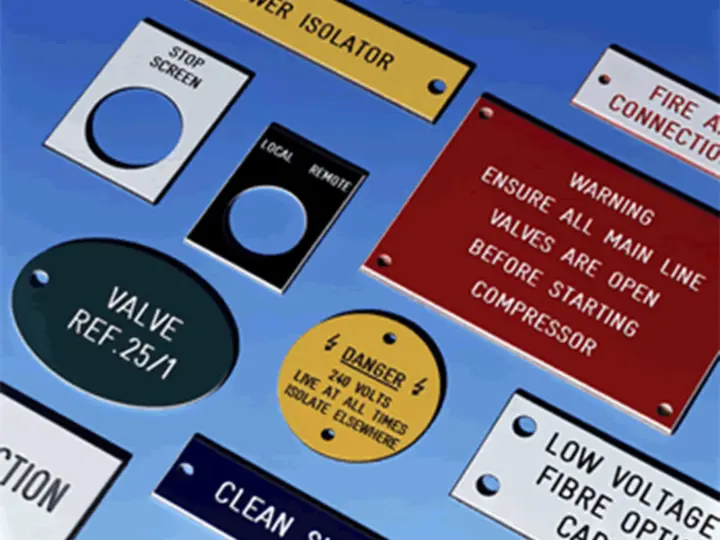
- Awards, plaques and laser-engraved parts → cast, for the contrast of the engraving. See awards.
- Displays, brochure holders and hot-bent parts → extruded, which bends better. See thermoforming.
- Blocks, large thicknesses and special colours → cast.
- Straight cuts and flat parts → either; we decide on price and availability.
Thicknesses and colours
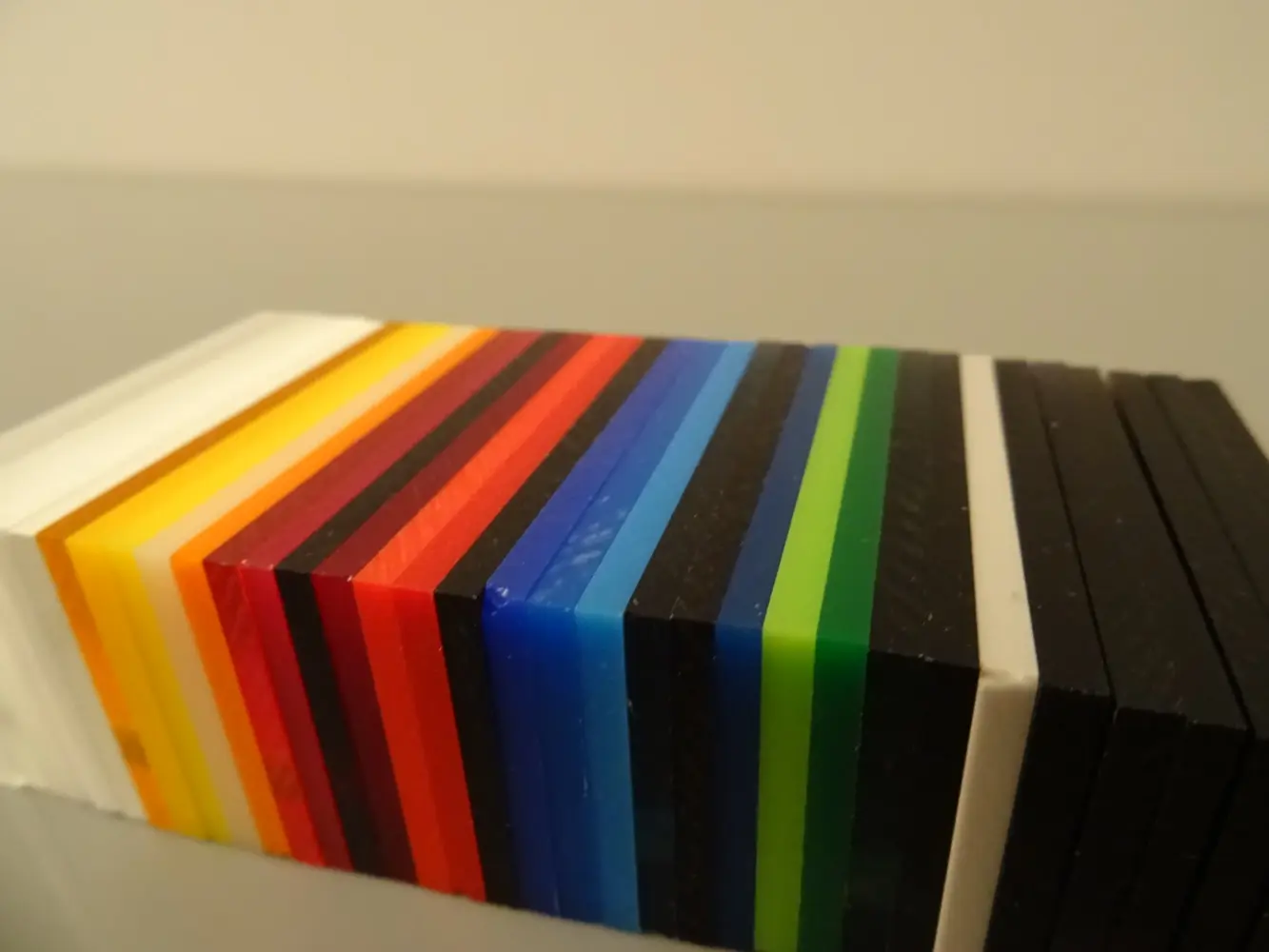
We cut acrylic from 2 to 100 mm. Clear is available in every thickness; opal white, black, smoked grey, bronze and the opaque and transparent colours come in a shorter range. You can see the full table in custom cutting.
A final tip
If your part is going to be both engraved and bent, tell us when you ask for a quote: we will choose the type of acrylic that gives the best result in the most critical technique.
If you want to buy an acrylic sheet cut to size, you can do so at Crilato, our online shop (in Spanish).